
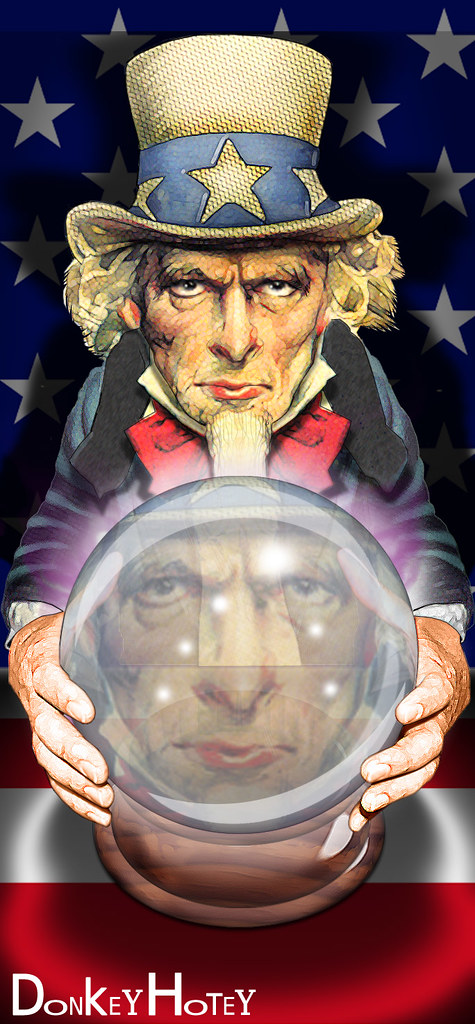
Prediction markets regulation is becoming a hot topic as the Spanish regulator DGOJ emphasizes the need for tailored rules. This discussion highlights the evolving landscape of gambling laws.
What Are Prediction Markets?
Prediction markets are platforms where individuals can trade contracts based on the outcomes of future events, such as elections, sports events, or economic indicators. These markets operate similarly to traditional stock exchanges, allowing participants to buy or sell shares that represent specific outcomes. The price of these shares fluctuates based on the perceived likelihood of an event occurring, thus providing valuable insights into public sentiment and expectations.
One of the key features of prediction markets is their ability to aggregate diverse opinions, often resulting in more accurate forecasts compared to traditional polling methods. As participants invest in these markets, they express their beliefs about what will happen, creating a crowd-sourced indicator of future events.
However, the rise of prediction markets has sparked discussions around prediction markets regulation. Regulators, like the Spanish DGOJ, argue that these markets require specific guidelines to ensure consumer protection and market integrity. Critics of regulation warn that excessive oversight could stifle innovation and limit the benefits that prediction markets can offer. As interest in these platforms grows, the debate over the necessary balance between regulation and freedom in prediction markets continues to evolve.
Current Gambling Regulations in Spain
Spain has a well-established framework for gambling regulations, which is overseen by the Dirección General de Ordenación del Juego (DGOJ). This regulatory body is responsible for ensuring that all forms of gambling operate safely and fairly within the country. The existing regulations cover various gambling activities, including sports betting, online casinos, and lotteries.
As the landscape of gambling evolves, the DGOJ has expressed the need for specific regulations tailored to prediction markets. These markets differ from traditional betting systems, as they allow participants to wager on the outcome of future events, such as political elections or economic indicators. The unique nature of prediction markets raises questions about whether they fit neatly into existing gambling laws.
The DGOJ’s stance suggests a recognition that current gambling regulations in Spain may not adequately address the nuances of prediction markets. Key concerns include:
- Consumer protection: Ensuring that users are not exposed to unfair practices.
- Market integrity: Maintaining trust in the predictions made within these markets.
- Tax implications: Understanding how prediction markets would fit into Spain’s taxation system.
As discussions continue, the concept of prediction markets regulation remains a crucial topic in Spain’s gambling landscape.
Why Prediction Markets Need Regulation
As the popularity of prediction markets continues to rise, the conversation surrounding their regulation grows increasingly vital. The Spanish regulator DGOJ has emphasized the need for specific regulations tailored to prediction markets, highlighting several key reasons why this is necessary.
- Consumer Protection: Without robust regulations, participants in prediction markets may face significant risks, including fraud and exploitation. Regulations can help safeguard consumers by ensuring fair practices and transparency.
- Market Integrity: Proper regulation can enhance the integrity of prediction markets, reducing the likelihood of manipulation or insider trading. This fosters a trustworthy environment for all participants.
- Tax Revenue: Establishing a regulatory framework allows governments to collect taxes on prediction market activities, creating a new revenue stream that can be used for public services.
- Legal Clarity: Clear regulations can help define the legal standing of prediction markets, reducing ambiguity for operators and participants alike, which is essential for fostering growth in this emerging sector.
In light of these factors, the discussion around prediction markets regulation is not just timely but essential for ensuring a safe and equitable framework for all involved.
Expert Opinions on Gambling Laws
Experts in the field of gambling laws have expressed diverse opinions regarding the regulation of prediction markets. Many believe that tailored regulations could enhance player safety while also fostering innovation in this emerging sector. Dr. Elena Martinez, a legal scholar specializing in gambling legislation, argues that “prediction markets regulation is essential to ensure transparency and protect consumers from potential fraud.” She emphasizes the need for clear guidelines that distinguish prediction markets from traditional betting platforms.
Conversely, Prof. Juan Carlos Ruiz, an economist with a focus on market behavior, raises concerns about overregulation. He states, “While some oversight is necessary, excessive constraints could stifle the growth of prediction markets, which have the potential to offer valuable insights and engage users in unique ways.”
Additionally, Maria Gomez, a consumer advocate, highlights the importance of including public input in the regulatory process. “It’s crucial that any prediction markets regulation incorporates feedback from users to ensure that their rights and interests are sufficiently protected,” she notes.
As discussions continue, it remains clear that stakeholders must carefully weigh the pros and cons of implementing specific regulations tailored to prediction markets.
Impact of Regulation on Betting
The impact of regulation on betting, particularly in the realm of prediction markets, has sparked considerable debate among industry experts and regulators alike. With the growing popularity of these markets, the call for tailored regulation has intensified. The DGOJ, Spain’s gaming regulator, recently emphasized the necessity for dedicated regulations to ensure the safety and integrity of prediction markets.
Supporters argue that regulation can enhance consumer protection and foster trust among participants. By establishing clear rules and oversight, regulators can mitigate risks associated with fraud and deception. This, in turn, may attract a broader audience and drive legitimate engagement in prediction markets.
On the other hand, critics of prediction markets regulation express concerns that overly stringent rules could stifle innovation and limit the potential of these platforms. They argue that a balanced approach is necessary, one that allows for growth while safeguarding participants. The challenge lies in crafting regulations that both protect consumers and encourage market development.
- Consumer Protection: Regulation may help shield bettors from scams.
- Market Integrity: Oversight can ensure fair play within prediction platforms.
- Innovation Risks: Excessive regulation might hinder the evolution of prediction markets.
Future of Prediction Markets
The future of prediction markets is becoming increasingly relevant as discussions around prediction markets regulation gain momentum. As stakeholders in the industry navigate the complexities of compliance, the potential for growth remains high. With the Spanish regulator DGOJ advocating for a tailored regulatory framework, the evolution of these markets could lead to both innovation and safety.
Key considerations for the future include:
- Market Expansion: With the right regulations, prediction markets could attract a broader audience, including institutional investors.
- User Protection: A robust regulatory environment would safeguard participants from fraud and misinformation, fostering trust in the system.
- Technological Advancements: As technology evolves, regulations will need to adapt, ensuring that platforms remain secure while promoting transparency.
- International Standards: Establishing a set of global guidelines could facilitate cross-border participation, enhancing the appeal of prediction markets.
Ultimately, the future of prediction markets hinges on finding a balance between innovation and regulation. As discussions progress, stakeholders must collaborate to create a sustainable framework that promotes safety while allowing for growth and creativity in this emerging sector.
Conclusion on Gambling Regulations
In conclusion, the debate surrounding prediction markets regulation continues to evolve as stakeholders weigh the potential benefits against the inherent risks. While the argument for tailored regulations is gaining traction, it is essential to consider various perspectives to ensure a balanced approach.
Regulatory frameworks can offer several advantages:
- Consumer Protection: Establishing clear guidelines can safeguard users from fraudulent activities and ensure fair play.
- Market Integrity: Proper oversight could enhance the credibility of prediction markets, making them more appealing to investors and participants alike.
- Revenue Generation: Regulating these markets could create new revenue streams for governments through taxation and licensing fees.
However, it is also crucial to recognize potential downsides, such as stifling innovation and limiting accessibility for users. As the industry grows, regulators must strike a balance that fosters a safe environment while promoting the dynamic nature of prediction markets.
Ultimately, as various countries navigate the complexities of gambling regulations, the call for a specific framework for prediction markets highlights the need for thoughtful dialogue and comprehensive understanding among all parties involved.
Supporters argue that prediction markets regulation could enhance transparency and protect consumers from potential manipulation. However, critics believe that imposing prediction markets regulation may stifle innovation and limit the benefits of these platforms.
By DonkeyHotey via Openverse